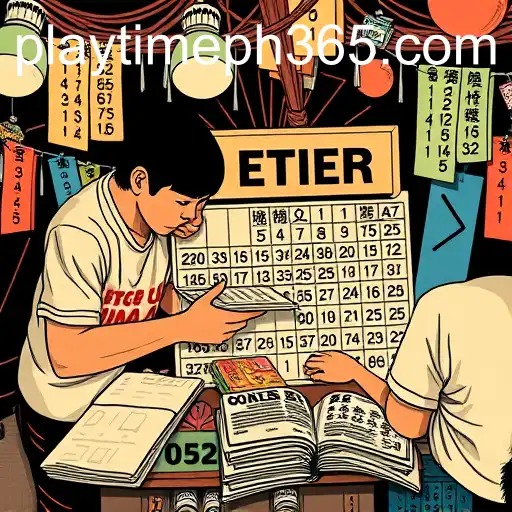
The Intricate World of Jueteng and Its Societal Impact in the Philippines
Jueteng is more than just a numbers game; it is a deeply ingrained cultural activity that has persisted in the Philippines for generations. Woven into the fabric of day-to-day life, especially in provincial areas, jueteng has evolved from a simple form of gambling into a multifaceted socio-economic phenomenon.
Understanding Jueteng
Jueteng is akin to a lottery where bettors select a combination of numbers ranging from one to thirty-seven. Notably, the mechanics of jueteng make it accessible, with bets often as low as a single peso, ensuring widespread participation across various demographics.
The Historical Context of Jueteng
The roots of jueteng trace back to the Spanish colonial period. Initially introduced by Chinese immigrants, it became popular as a grassroots form of entertainment. Over the decades, instead of dwindling, jueteng adapted to societal changes, embedding itself deeper into the everyday life of many Filipinos.
The Role of Jueteng in Local Economies
For many communities, jueteng acts as both an economic stimulus and a survival mechanism. In rural and underdeveloped areas where employment is scarce, jueteng offers a modicum of financial hope. It employs countless people, from ‘kubradors’ (collectors) to ‘cobradores’ (financiers), thus forming a micro-economy that thrives below the radar of formal market structures.
Political Entanglement
Politicians have historically had complex ties with jueteng. The game provides a source of quick capital, often untraceable and voluminous, thus tempting for election campaigns and personal enrichment alike. The intricate web of connections sometimes leads to local officials turning a blind eye to its operation, ensuring a symbiotic relationship where mutual benefits prevail.
Jueteng as a Cultural Phenomenon
Despite its illegality, jueteng endures because it is viewed by many Filipinos not just as gambling, but as a social leveller and communal act. Winning a jueteng draw provides not just monetary gain but a rare victory against the odds for the common folk, while participating supports local players within its structure.
Challenges in Eradicating Jueteng
The Philippine government's ongoing crusade against jueteng is fraught with difficulty. While law enforcement attempts sporadic crackdowns, the lack of resources, coupled with deep-rooted community acceptance, stymies successful elimination. Furthermore, the promise of swift monetary gain makes jueteng an attractive proposition for those living in poverty.
Despite government initiatives to replace jueteng with legal equivalents, such as ‘small-town lottery’ (STL), these efforts often fall short due to organizational inefficiencies and entrenched opposition from those benefiting from the status quo.
The Role of Technology in Jueteng
With technological advancements and increased connectivity, jueteng has also seen shifts in how it operates. Mobile technology enhances the reach and efficiency of operations, facilitating quicker transactions and broadening the base of operations beyond traditional locales.
Playtime PH, a burgeoning online platform, indirectly shines a spotlight on the gambling culture within the Philippines. While not related to jueteng, the rise of such digital ventures underscores the nation’s engagement with both illegal and legal betting forms.
Legal and Ethical Considerations
The discussion about legalizing jueteng often surfaces during legislative sessions. Proponents argue that legalizing and regulating it could increase state revenue while providing protections for operators and players alike. Conversely, opponents contend that legalization could exacerbate gambling addiction and undermine social values.
Ethical concerns focus on jueteng’s implications for those involved. The debate often probes into whether society condones prioritizing economic survival over ethical dilemmas posed by implicitly supporting illegal activity.
Future Prospects
In assessing jueteng’s trajectory, one must recognize both its adaptability and its entrenchment within Filipino culture. Its future will likely involve continual negotiation between tradition-infused persistence and state-driven reform initiatives.
Conclusion
Jueteng continues to be a social spectacle, a paradoxical blend of community unity and illicit activity. Its persistence reveals underlying societal schisms and economic struggles, providing a canvas for unfolding narratives shaped by tradition, desperation, and tenacity.
For those living its reality, jueteng is more than a game—it is a testament to resilience amid adversity.